
 Mixed
This was really interesting. I have made so many notes on this book, and I still don't really know what I thought of it. ... Some of her ideas I thought were a little far-fetched or not supported enough.
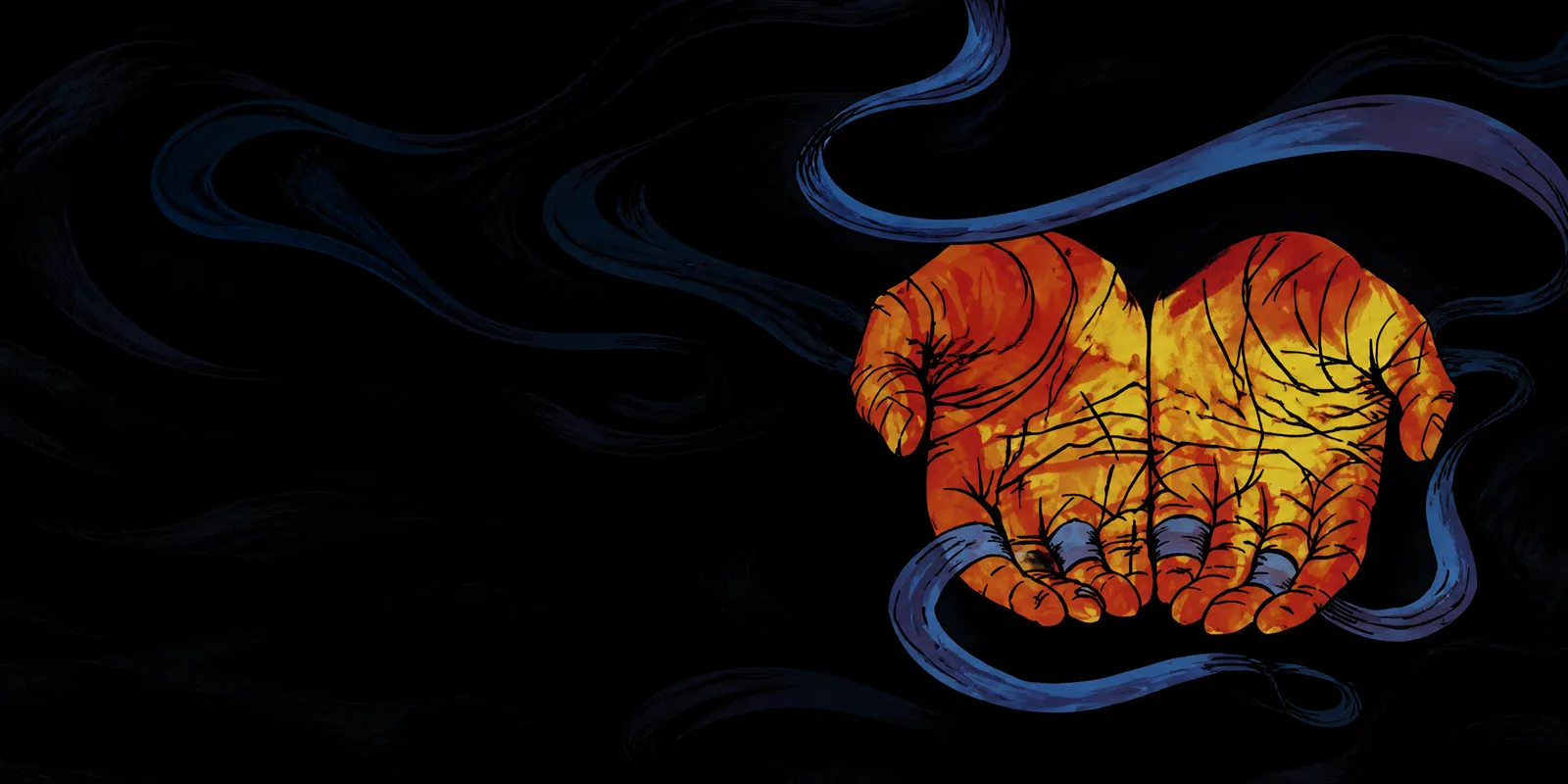
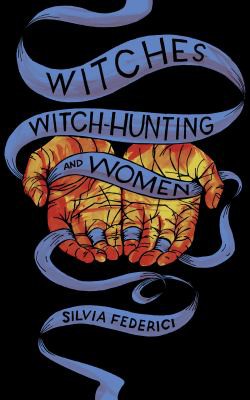
Others: Mixed The world is witnessing a new surge of interpersonal and institutional violence against women, including new witch hunts. This surge of violence has occurred alongside an expansion of capitalist social relation. In this new work, Silvia Federici examines the root causes of these developments and outlines the consequences for the women affected and their communities. She argues, that this new war on women, a mirror of witch hunts in 16th- and 17th-century Europe and the “New World,” is a structural element of the new forms of capitalist accumulation. These processes are founded on the destruction of people’s most basic means of reproduction. Like at the dawn of capitalism, the factors behind today’s violence against women are processes of enclosure, land dispossession, and the remolding of women’s reproductive activities and subjectivity.
Genres: nonfiction
Lists: …
Katherine Angel
2021 · 144 pages · 2 reviews
 Others: Leaning positive
A provocative, elegantly written analysis of female desire, consent, and sexuality in the age of MeToo Women are in a bind. In the name of consent and empowerment, they must proclaim their desires clearly and confidently. Yet sex researchers suggest that women’s desire is often slow to emerge. And men are keen to insist that they know what women—and their bodies—want. Meanwhile, sexual violence abounds. How can women, in this environment, possibly know what they want? And why do we expect them to? In this elegant, searching book—spanning science and popular culture; pornography and literature; debates on Me-Too, consent and feminism—Katherine Angel challenges our assumptions about women’s desire. Why, she asks, should they be expected to know their desires? And how do we take sexual violence seriously, when not knowing what we want is key to both eroticism and personhood? In today’s crucial moment of renewed attention to violence and power, Angel urges that we remake our thinking about sex, pleasure, and autonomy without any illusions about perfect self-knowledge. Only then will we fulfil Michel Foucault’s teasing promise, in 1976, that “tomorrow sex will be good again.”
What made the match, strongest first
Zöe Venditozzi
2025 · 320 pages · 3 reviews
Others: PositiveNothing brings people together like a common enemy, and witches were the greatest enemy of all. Scotland, 1563: Crops failed. People starved. And the Devil's influence was stronger than ever—at least, that's what everyone believed. If you were a woman living in Scotland during this turbulent time, there was a very good chance that you, or someone you knew, would be tried as a witch. During the chaos of the Reformation, violence against women was codified for the first time in the Witchcraft Act—a tool of theocratic control with one chilling goal: to root out witches and rid the land of evil. What followed was a dark and misogynistic chapter in history that fanned the flames of witch hunts across the globe, including in the United States and beyond.
What made the match, strongest first
Joseph Murphy
1963 · 224 pages · 1 review
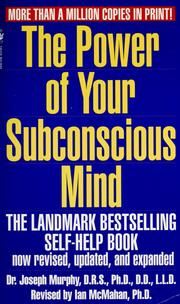
Others: PositiveExamines the connection between the mental dynamics of thinking in relation to one's quality of life while offering simple techniques designed to create new, more innovative thought processes and stimulate creativity, in a revised and expanded edition of the best-selling work.
What made the match, strongest first
Anushay Hossain
2021 · 296 pages · 1 review
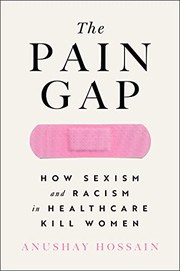
Others: MixedExplore real women’s tales of healthcare trauma and medical misogyny with this meticulously researched, in-depth examination of the women’s health crisis in America—and what we can do about it. When Anushay Hossain became pregnant in the US, she was so relieved. Growing up in Bangladesh in the 1980s, where the concept of women’s healthcare hardly existed, she understood how lucky she was to access the best in the world. But she couldn’t have been more wrong. Things started to go awry from the minute she stepped in the hospital, and after thirty hours of labor (two of which she spent pushing), Hossain’s epidural slipped. Her pain was so severe that she ran a fever of 104 degrees, and as she shook and trembled uncontrollably, the doctors finally performed an emergency C-section. Giving birth in the richest country on earth, Hossain never imagined she could die in labor. But she almost did. The experience put her on a journey to explore, understand, and share how women—especially women of color—are dismissed to death by systemic sexism in American healthcare. Following in the footsteps of feminist manifestos such as The Feminine Mystique and Rage Becomes Her , The Pain Gap is an eye-opening and stirring call to arms that encourages women to flip their “hysteria complex” on its head and use it to revolutionize women’s healthcare. This book tells the story of Hossain’s experiences—from growing up in South Asia surrounded by staggering maternal mortality rates to lobbying for global health legislation on Capitol Hill to nearly becoming a statistic herself. Along the way, she realized that a little fury might be just what the doctor ordered. Meticulously researched and deeply reported, this book explores real women’s traumatic experiences with America’s healthcare system—and empowers everyone to use their experiences to bring about the healthcare revolution women need.
What made the match, strongest first
Lois Shearing
2025 · 288 pages · 2 reviews
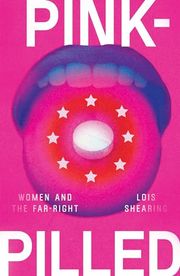
Others: PositiveA daring investigation into how women are recruited by the far right online. As the far right has gained popularity and acceptance around the world, its ranks have swelled with an unlikely category of women. Women play significant roles in far-right movements, acting as propagandists, prizes to be won and mother-warriors of the nation. But up to now their activities have been largely overlooked. In Pink-pilled, journalist Lois Shearing interviews leading experts and infiltrates communities of tradwives and femtrolls to provide a cutting-edge account of how the far right uses the internet to recruit women. Shining a light on women’s experiences within these movements, Shearing reveals horrifying examples of misogyny and violence. Understanding how and why women join movements that explicitly aim to restrict their autonomy is essential if we want to fight back. Pink-pilled offers key insights for countering women’s radicalisation and building communities resistant to far-right thought.
What made the match, strongest first
Maisie Hill
2019 · 352 pages · 4 reviews
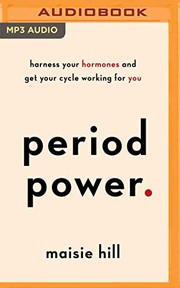
Others: Leaning positivePeriod Power is a profound but practical blueprint for aligning daily life with the menstrual cycle, to give women a no-nonsense explanation of what the hell happens to their hormones every month and how they can use each phase to its full advantage. Ninety per cent of women experience symptoms of PMS, a syndrome which features a wide range of signs and symptoms and yet there’s an enduring lack of understanding about what it actually is, and a disappointingly meager range of treatment options. So many of us have a Jekyll and Hyde experience of our lives; we feel on top of the world, capable, confident and sexy for part of each month, then find ourselves in a state of physical and emotional discomfort and fatigue, wanting nothing more than to collapse on the sofa in front of Netflix. But what if instead of just trying to plan for our dark days, women were equipped with ways to improve them? What if our desire to improve ourselves could be combined with our need to know just what our womb and ovaries are getting up to every month? Not to mention how to take advantage of the natural superpowers that sit in each phase of our cycle, so that we can plan our month to perform at our best. Maisie Hill is uniquely placed, as an acupuncturist, women’s health practitioner and doula, to explain just how we can achieve this, as well as focusing on particular milestones that require an altered approach, such as coming off hormonal birth control, infertility, pregnancy, motherhood and the perimenopausal years. Using what Hill calls the cycle strategy--a woman’s secret weapon when it comes to improving her relationships, career and health--she will apply the principles of Eastern and Western medicine to give women all they need to make sense of their cycles, as well as accessible and practical suggestions through which readers can improve their physical symptoms, and stop berating themselves because of the way that they evolve through each menstrual month.
What made the match, strongest first
MixedThis was really interesting. I have made so many notes on this book, and I still don't really know what I thought of it. ... Some of her ideas I thought were a little far-fetched or not supported enough.