 Loved it
I read it this time and I was just like oh my God I was just floored I got it all of it and it hit harder than any other book this year
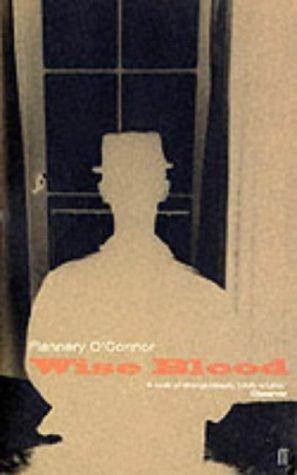
Others: Positive Wise Blood, Flannery O'Connor's astonishing and haunting first novel, is a classic of twentieth-century literature. It is the story of Hazel Motes, a twenty-two-year-old caught in an unending struggle against his inborn, desperate fate. He falls under the spell of a "blind" street preacher named Asa Hawks and his degenerate fifteen-year-old daughter, Sabbath Lily. In an ironic, malicious gesture of his own non-faith, and to prove himself a greater cynic than Hawks, Motes founds the Church Without Christ, but is still thwarted in his efforts to lose God. He meets Enoch Emery, a young man with "wise blood," who leads him to a mummified holy child and whose crazy maneuvers are a manifestation of Motes's existential struggles. This tale of redemption, retribution, false prophets, blindness, blindings, and wisdom gives us one of the most riveting characters in American fiction.
Lists: …
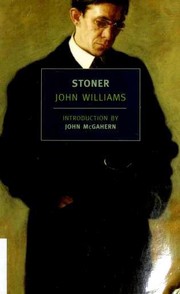
John Williams
1965 · 278 pages · 6 reviews
 Others: Overwhelmingly positive
William Stoner is born at the end of the nineteenth century into a dirt-poor Missouri farming family. Sent to the state university to study agronomy, he instead falls in love with English literature and embraces a scholar’s life, so different from the hardscrabble existence he has known. And yet as the years pass, Stoner encounters a succession of disappointments: marriage into a “proper” family estranges him from his parents; his career is stymied; his wife and daughter turn coldly away from him; a transforming experience of new love ends under threat of scandal. Driven ever deeper within himself, Stoner rediscovers the stoic silence of his forebears and confronts an essential solitude. John Williams’s luminous and deeply moving novel is a work of quiet perfection. William Stoner emerges from it not only as an archetypal American, but as an unlikely existential hero, standing, like a figure in a painting by Edward Hopper, in stark relief against an unforgiving world.
What made the match, strongest first
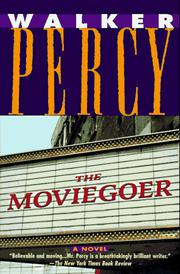
Walker Percy
1961 · 241 pages · 1 review
Others: PositiveKate's desperate struggles to maintain her sanity force Binx to relinquish his dreamworld.
What made the match, strongest first
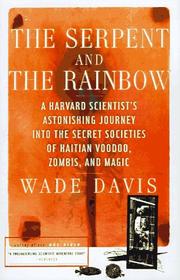
Wade Davis
1985 · 304 pages · 2 reviews
Others: PositiveA Harvard scientist's astonishing journey into the secret societies of Haitian voodoo, zombis, and magic.
What made the match, strongest first
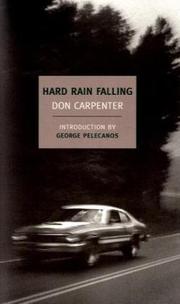
Don Carpenter
1966 · 308 pages · 1 review
Others: PositiveA prisoner in San Quentin falls in love with his cellmate.
What made the match, strongest first
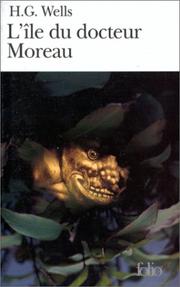
H. G. Wells
1896 · 168 pages · 6 reviews
Others: Mostly positiveRanked among the classic novels of the English language and the inspiration for several unforgettable movies, this early work of H. G. Wells was greeted in 1896 by howls of protest from reviewers, who found it horrifying and blasphemous. They wanted to know more about the wondrous possibilities of science shown in his first book, The Time Machine, not its potential for misuse and terror. In The Island of Dr. Moreau, a shipwrecked gentleman named Edward Prendick, stranded on a Pacific island lorded over by the notorious Dr. Moreau, confronts dark secrets, strange creatures, and a reason to run for his life. While this riveting tale was intended to be a commentary on evolution, divine creation, and the tension between human nature and culture, modern readers familiar with genetic engineering will marvel at Wells’s prediction of the ethical issues raised by producing “smarter” human beings or bringing back extinct species. These levels of interpretation add a richness to Prendick’s adventures on Dr. Moreau’s island of lost souls without distracting from what is still a rip-roaring good read.
What made the match, strongest first
Henry Miller
1934 · 321 pages · 1 review
Others: PositiveA stream-of-consciousness story of a poverty-stricken young American, living in Paris.
What made the match, strongest first
Loved itI read it this time and I was just like oh my God I was just floored I got it all of it and it hit harder than any other book this year