
 Loved it
this book really surprised me I enjoyed it quite a lot and it made me laugh out loud which definitely makes it deserve a spot on the top 10 of 2012
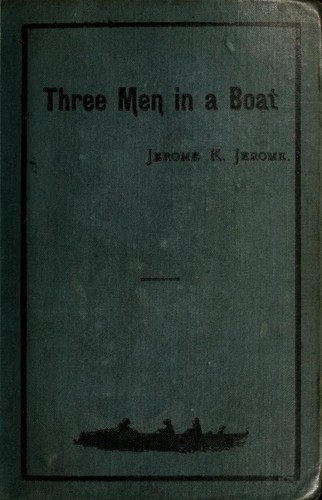
Others: Positive Three feckless young men take a rowing holiday on the Thames river in 1888. Referenced by Robert A. Heinlein in Have Spacesuit Will Travel as Kip's father's favorite book. Inspired To Say Nothing of the Dog by Connie Willis.
Genres: historical fiction, classics
Lists: …
Connie Willis
1997 · 495 pages · 2 reviews
 Others: Mixed
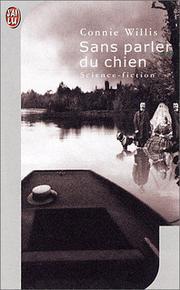
Connie Willis' entertaining comedy inspired by Jerome K. Jerome's Three Men in a Boat (to say nothing of the dog). Robert A. Heinlein mentioned the earlier work in Have Spacesuit will Travel as Kip's father's favorite.
What made the match, strongest first
Anne Brontë
1847 · 186 pages · 2 reviews
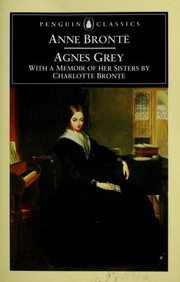
Others: MixedIn her Introduction to an edition of "Agnes Grey," Barbara A. Suess writes "Bronte provides a portrait of the governess that is as sympathetic as her fictional indictment of the shallow, selfish moneyed class is biting." Anne Bronte relies on her own personal involvement in her duties as a home teacher to bring Agnes Grey to life. Agnes, a rector's daughter, must take employment as a governess to help her family make financial ends meet. But her situations with the spoiled, self-obsessed Bloomfield children and later with the ruthless Murray family forces her into a lonely, humiliating experience that is a wearying one extraordinarily blossoming into a romantic relationship with the local vicar, Edward Weston. Agnes' concern for her family brings her to these unfortunate trials where she suffers stupid and egotistic proprietors and their over-indulged progeny. She was not able to foresee the hardships she would have to undergo along with the class snobbery to which she was also subjected. And yet a career as a governess was the only "respectable" job available to an unmarried woman in Victorian England. Bronte's simple and uncomplicated rendition of these sordid affairs made circumstances surrounding such brutish conditions authentic enough to necessitate investigation and improvement.
What made the match, strongest first
Ernest Hemingway
1940 · 471 pages · 3 reviews
 Others: Overwhelmingly positive
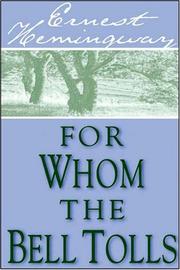
High in the pine forests of the Spanish Sierra, a guerrilla band prepares to blow up a vital bridge. Robert Jordan, a young American volunteer, has been sent to handle the dynamiting. There, in the mountains, he finds the dangers and the intense comradeship of war. And there he discovers Maria, a young woman who has escaped from Franco's rebels.
What made the match, strongest first
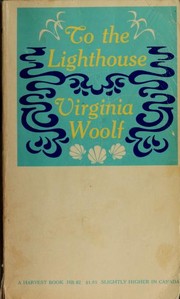
Virginia Woolf
1927 · 242 pages · 4 reviews
Others: Overwhelmingly positiveThis novel is an extraordinarily poignant evocation of a lost happiness that lives on in the memory. For years now the Ramsays have spent every summer in their holiday home in Scotland, and they expect these summers will go on forever.In this, her most autobiographical novel, Virginia Woolf captures the intensity of childhood longing and delight, and the shifting complexity of adult relationships. From an acute awareness of transcience, she creates an enduring work of art.
What made the match, strongest first
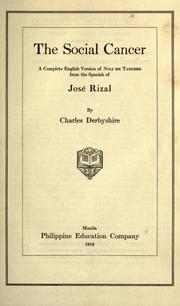
José Rizal
1902 · 458 pages · 1 review
Others: PositiveThe book revolves on the struggles of young Crisostomo Ibarra: how he humbly fights for his childhood sweetheart Maria Clara, for himself and for his fellowmen against the Spanish priest Padre Damaso and the Spanish Government who were then conquerors of San Diego, his native hometown. Coming home to San Diego from Spain to mourn for his father's death, he learned how his father, a rich illustrado, suffered prior to his death. However, he was surprised by the facts how his father had been treated during a trial and after he died. After learning about this, he decided to continue his father's plan of building a school while reuniting with Maria Clara, his childhood sweetheart from a wealthy family while the former parish priest Padre Damaso keeps on rejecting both. Thus, the story of how the Filipinos got afflicted with the "Cancer of the Society" during the Spanish era is told by none other than the National Hero of the Philippines. Many characters who symbolize every type of Filipino during those times have revolved around these characters. Get a glimpse of how the Filipinos fight for their own right, in their own ways during the 17th century.
What made the match, strongest first
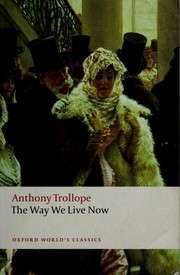
Anthony Trollope
1875 · 502 pages · 6 reviews
Others: PositiveFrom a review of the Anthony Trollope canon in The Economist (2020/04/08 edition): “The Way We Live Now” (1875) is as much a portrait of the last few decades as it is of the high Victorian age, and every bit as addictive as HBO’s hit series “Succession”. The novel’s anti-hero, Augustus Melmotte, is one of the great portraits of the businessman as ogre—a “horrid, big, rich scoundrel”, “a bloated swindler” and “vile city ruffian” who bears an uncanny resemblance to the late Robert Maxwell (and to living figures who had best not be named for legal reasons). Despite his foreign birth and mysterious past, Melmotte forces his way into British society by playing on the greed of bigwigs who despise him yet compete for his favours. He buys his way into the House of Commons; he floats a railway company that is ostensibly designed to build a line between Mexico and America but is really a paper scheme for selling shares. The Ponzi scam eventually collapses, exposing Britain’s great commercial empire for a greed-fuelled racket and its high society as a hypocritical sham. “The Way We Live Now” is an excellent place to begin an affair with Trollope. It is relatively short by his standards and exquisitely executed. If you don’t like it, Trollope’s world is not for you. If you do, another 46 novels await you.
What made the match, strongest first
Loved itthis book really surprised me I enjoyed it quite a lot and it made me laugh out loud which definitely makes it deserve a spot on the top 10 of 2012