
 Loved it
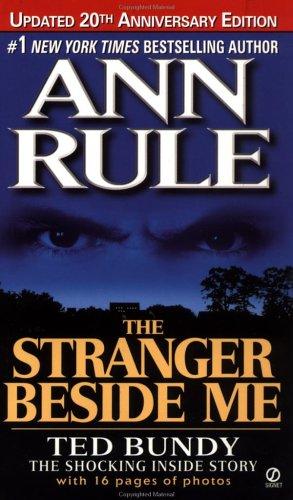
this is easily the true crime book I've read the most and this is the stranger beside me by an rule
Others: Positive There are actually two stories here: one describes the gradual disintegration of a seemingly normal, affable, brilliant man into a sexual psychopath so evil, so methodical in his vicious killings, that one wonders if he was at all human. The other story is that of Ann Rule herself, a decent, hard-working, middle-aged mother of four who meets and befriends a nice young man working beside her in a crisis clinic. A man she regards as a younger brother; a man she views as a close and trusted friend. The slow but inexorable realization on Rule's part that this man is in fact an unspeakably violent serial killer is as painful to read as it was for her to experience. Each victim is described in terms of such respect and such anguish that even a family member, I think, can feel that his or her daughter has been given a chance to shine, a chance to be more than a victim, more than a nameless number (8th girl killed, and so forth). The poignancy of these girls' very human preoccupations and lives serves to outline the contrasting horror in even more detail. That is why Rule does not have to defile the victims with intricate detail. The contrast between their young lives and their terrible deaths is enough in itself.
Genres: biography
Lists: …
Joan Didion
2011 · 188 pages · 1 review
Others: PositiveIn this memoir, the author shares her observations about her daughter as well as her own thoughts and fears about having children and growing old, in a personal account that discusses her daughter's wedding and her feelings of failure as a parent. It opens on July 26, 2010, as Didion thinks back to Quintana's wedding in New York seven years before. Today would be her wedding anniversary. This fact triggers vivid snapshots of Quintana's childhood, in Malibu, in Brentwood, at school in Holmby Hills. Reflecting on her daughter but also on her role as a parent, Didion asks the candid questions any parent might about how she feels she failed either because cues were missed or perhaps displaced. Seamlessly woven in are incidents Didion sees as underscoring her own age, something she finds hard to acknowledge, much less accept.
What made the match, strongest first
Riva Lehrer
2020 · 448 pages · 1 review
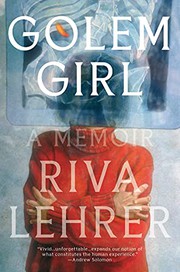
Others: Positive"What do we sacrifice in the pursuit of normalcy? And what becomes possible when we embrace monstrosity? In 1958, Riva is one of the first children born with spina bifida to survive. Her parents and doctors are determined to 'fix' her, sending the message over and over again that she is broken. That she will never have a job, a romantic relationship, or an independent life. Enduring countless medical interventions, Riva tries her best to be a good girl and a good patient in the quest to be cured. Everything changes when, as an adult, Riva is invited to join a group of artists, writers, and performers who are building Disability Culture. Their work is daring, edgy, funny, and dark; it rejects tropes that define disabled people as pathetic, frightening, or worthless. They insist that disability is an opportunity for creativity and resistance. Emboldened, Riva asks if she can paint their portraits--an intimate and collaborative process that will transform the way she sees herself, others, and the world. With each portrait, and each person's story, the myths she's been told her whole life--about her body, her sexuality, and the value of normalcy--begin to crumble. Written with the vivid, cinematic prose of a visual artist, and the love and playfulness that defines all of Riva's work, Golem Girl is an extraordinary story of survival and creativity. With the author's magnificent portraits featured throughout, this memoir invites us to stretch ourselves toward a world where bodies flow between all possible forms of what it is to be human"--
What made the match, strongest first
Alice Hattrick
2021 · 336 pages · 1 review
Others: PositiveWhat made the match, strongest first
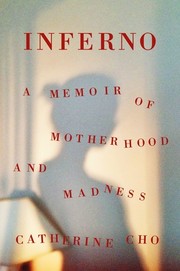
Catherine Cho
2020 · 248 pages · 4 reviews
 Others: Overwhelmingly positive
What made the match, strongest first
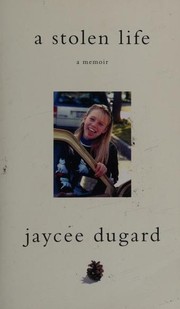
Jaycee Lee Dugard
2011 · 273 pages · 1 review
 Others: Negative
In the summer of 1991 I was a normal kid. I did normal things. I had friends and a mother who loved me. I was just like you. Until the day my life was stolen. For eighteen years I was a prisoner. I was an object for someone to use and abuse. For eighteen years I was not allowed to speak my own name. I became a mother and was forced to be a sister. For eighteen years I survived an impossible situation. On August 26, 2009, I took my name back. My name is Jaycee Lee Dugard. I don’t think of myself as a victim. I survived. A Stolen Life is my story—in my own words, in my own way, exactly as I remember it.
What made the match, strongest first
Emily Witt
2016 · 224 pages · 1 review
Others: Negative"Emily Witt is single and in her thirties. Up until a few years ago, she still envisioned her sexual experience "eventually reaching a terminus, like a monorail gliding to a stop at Epcot Center." Like many people, she imagined herself disembarking, finding herself face-to-face with another human being, "and there we would remain in our permanent station in life: the future." But, as many of us have found, things are more complicated than that. Love is rare and frequently unreciprocated. Sexual experience doesn't necessarily lead to a future of traditional monogamy--and why should it? Have we given up too quickly on the alternatives? In Future Sex, Witt explores Internet dating, Internet pornography, polyamory, and avant-garde sexual subcultures as sites of possibility. She observes these scenes from within, capturing them in all their strangeness, ridiculousness, and beauty. The result is an open-minded, honest account of the contemporary pursuit of connection and pleasure."--Book jacket.
What made the match, strongest first
Loved itthis is easily the true crime book I've read the most and this is the stranger beside me by an rule