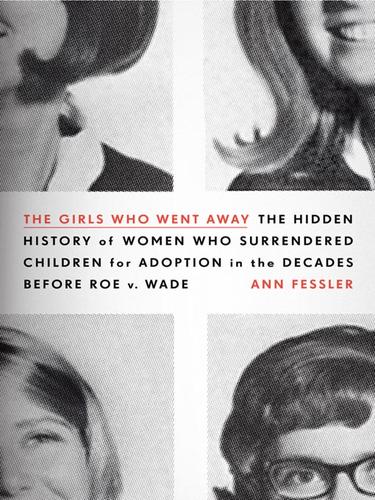
The Girls Who Went Away
The Girls Who Went AwayAnn Fessler

The Girls Who Went Away (2006)

Ann Fessler

Creators: Mixed

In this deeply moving and myth-shattering work, Ann Fessler brings out into the open for the first time the astonishing untold history of the million and a half women who surrendered children for adoption due to enormous family and social pressure in the decades before Roe v. Wade. An adoptee who was herself surrendered during those years and recently made contact with her mother, Ann Fessler brilliantly brings to life the voices of more than a hundred women, as well as the spirit of those times, allowing the women to tell their stories in gripping and intimate detail.1. My Own Story as an Adoptee2. Breaking the SilenceDorothy IIAnnie3. Good Girls v. Bad GirlsNancy IClaudia4. Discovery and ShameMargeYvonne5. The Family's FearsJeanetteRuth6. Going AwayKaren IPam7. Birth and SurrenderMargaretLeslie8. The AftermathSusan IIIMadeline9. Search and ReunionSusan IIJennifer10. Talking and ListeningLydiaLinda I11. Every Mother but My OwnA Note on the InterviewsNotesAcknowledgmentsIndex

ISBN:
9781429540520
Length:
358 pages

Genres: nonfiction

Lists: …

Reviews1

Similar books

Gabrielle Glaser"The shocking truth about postwar adoption in America, told through the bittersweet story of one teenager, the son she was forced to relinquish, and their search to find each other-- As Baby Boomers became teenagers in 1960s America, women were encouraged to stay home and raise large families, but sex and childbirth were taboo subjects. Premarital sex was common, but birth control was hard to get and abortion was illegal. In 1961, sixteen-year-old Margaret Erle fell in love and became pregnant. Her enraged family sent her to a maternity home, and after she gave birth, she wasn't even allowed her to hold her own son. Social workers threatened her with jail until she signed away her parental rights. Her son vanished, his whereabouts and new identity known only to an adoption agency that would never share the slightest detail about his fate. Claiming to be acting in the best interests of all, the adoption business was founded on secrecy and lies. American Baby lays out how a lucrative and exploitative industry removed children from their birth mothers and placed them with hopeful families, fabricating stories about infants' origins and destinations, then closing the door firmly between the parties forever. Adoption agencies and other organizations that purported to help pregnant women struck unethical deals with doctors and researchers for pseudoscientific "assessments," and shamed millions of young women into surrendering their children. Gabrielle Glaser dramatically demonstrates the power of the expectations and institutions that Margaret faced. Margaret went on to marry and raise a large family with David's father, but she never stopped longing for and worrying about her firstborn. She didn't know he spent the first years of his life living just a few blocks away from her; as he grew, he wondered about where he came from and why he was given up. Their tale--one they share with millions of Americans--is one of loss, love, and the search for identity. Adoption's closed records are being legally challenged in states nationwide. Open adoption is the rule today, but the identities of many who were adopted or who surrendered a child in the postwar decades are locked in sealed files. American Baby illuminates a dark time in our history and shows a path to reunion that can help heal the wounds inflicted by years of shame and secrecy"--

Why?

What made the match, strongest first

  • Liked by creators4 reviews
  • Also nonfiction75%
  • Similar descriptions25%