
 Loved it
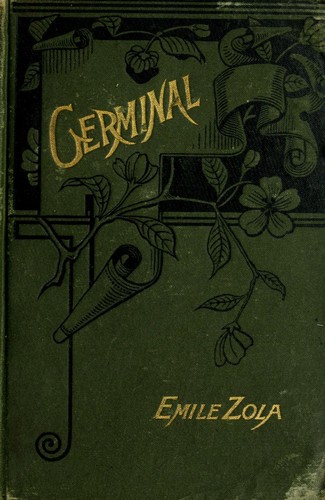
this book is so good now it goes deep into the idea of this mining town and the difficulty of being a minor but not only that the promiscuity of living as a minor
 Others: Overwhelmingly positive
The thirteenth novel in Emile Zola's great Rougon-Macquart sequence, Germinal expresses outrage at the exploitation of the many by the few, but also shows humanity's capacity for compassion and hope.Etienne Lantier, an unemployed railway worker, is a clever but uneducated young man with a dangerous temper. Forced to take a back-breaking job at Le Voreux mine when he cannot get other work, he discovers that his fellow miners are ill, hungry, and in debt, unable to feed and clothe their families. When conditions in the mining community deteriorate even further, Lantier finds himself leading a strike that could mean starvation or salvation for all.
Genres: classics
Lists: …
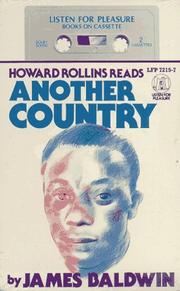
James Baldwin
1962 · 366 pages · 4 reviews
Others: Overwhelmingly positivePublished in 1962, this is an emotionally intense novel of love, hatred, race and liberal America in the 1960s. Set in Greenwhich Village, Harlem and France, ANOTHER COUNTRY tells the story of the suicide of jazz-musician Rufus Scott and the friends who search for an understanding of his life and death, discovering uncomfortable truths about themselves along the way.
What made the match, strongest first
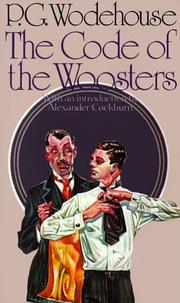
P.G. Wodehouse
1938 · 238 pages · 1 review
Others: PositiveNothing but trouble can ensue when Bertie Wooster's Aunt Dahlia instructs him to steal a silver jug from Totleigh Towers, home of magistrate and hell-hound, Sir Watkyn Bassett. First he must face the peril of Sir Watkyn's droopy daughter, Madeline, and then the terrors of would-be Dictator, Roderick Spode and his gang of Black Shorts. But when duty calls, Bertram answers, and so there follows what he himself calls the "sinister affair of Gussie Fink-Nottle, Madeline Bassett, old Pop Bassett, Stiffy Byng, the Rev. H.P. ('Stinker') Pinker, the eighteenth-century cow-creamer and the small, brown, leather-covered notebook." In a plot with more twists than an English country lane, it takes all the ingenuity of Jeeves to extract his master from the soup again. - Jacket.
What made the match, strongest first
Iris Murdoch
1978 · 502 pages · 1 review
Others: PositiveWhat made the match, strongest first
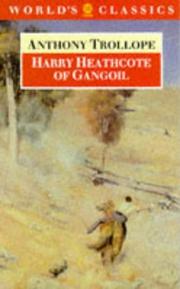
Anthony Trollope
1874 · 159 pages · 2 reviews
 Others: Negative
Harry Heathcote is a young immigrant “squatter,” farming thousands of acres in Queensland, Australia. His strong personality wins the loyalty of friends and family. But that same imperious nature makes him enemies, too, who would like nothing more than to see him ruined. As Christmas approaches, the conditions for his ruin arise naturally in the intense, scorching heat of a southern hemisphere summer. His enemies, however, spot an opportunity to give nature a helping hand. Their sharp conflict contrasts with a muted romantic subplot—but even here, Heathcote’s tone and temper complicate the path of true love. An invitation to produce a “Christmas story” came while Anthony Trollope was writing The Way We Live Now. Harry Heathcote was the result, fulfilling the brief, but without the “humbug” that Trollope believed marred too much writing in that genre. Harry Heathcote is one of Trollope’s shorter novels, but still displays his sharp psychological insight into his leading characters, and his capacity to produce natural dialog. It also draws on his first-hand knowledge of his son’s experience of farming in Australia, observed during Trollope’s extended tour of the Antipodes in 1871.
What made the match, strongest first
Albert Camus
1942 · 127 pages · 5 reviews
Others: Leaning positiveL'Étranger est le premier roman publié d’Albert Camus, paru en 1942. Il prend place dans la tétralogie que Camus nommera « cycle de l’absurde » qui décrit les fondements de la philosophie camusienne : l’absurde. Le roman a été traduit en soixante-huit langues.
What made the match, strongest first
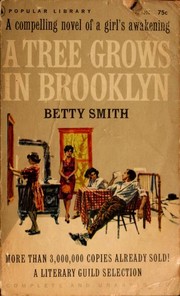
Betty Smith
1943 · 434 pages · 1 review
Others: PositiveThe beloved American classic about a young girl's coming-of-age at the turn of the century, Betty Smith's A Tree Grows in Brooklyn is a poignant and moving tale filled with compassion and cruelty, laughter and heartache, crowded with life and people and incident. The story of young, sensitive, and idealistic Francie Nolan and her bittersweet formative years in the slums of Williamsburg has enchanted and inspired millions of readers for more than sixty years. By turns overwhelming, sublime, heartbreaking, and uplifting, the daily experiences of the unforgettable Nolans are raw with honesty and tenderly threaded with family connectedness -- in a work of literary art that brilliantly captures a unique time and place as well as incredibly rich moments of universal experience.
What made the match, strongest first
Loved itthis book is so good now it goes deep into the idea of this mining town and the difficulty of being a minor but not only that the promiscuity of living as a minor
Loved itnumber two is germinal Emil zolah Masterpiece nightmare of industrial France a book that makes joanni verga read like manoni and Thomas Hardy read like Walter Scott the degree of its clinical insight ite into the psyche and the behavior of each character in its immense cast is stunning