
 Not a fan
I tried reading this Eat Like a Fish. I really did not enjoy it, so I don't need him.
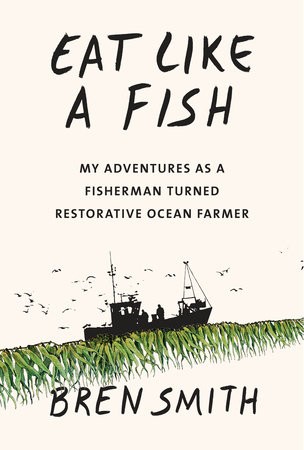
Others: Negative JAMES BEARD AWARD WINNER IACP Cookbook Award nomineeIn the face of apocalyptic climate change, a former fisherman shares a bold and hopeful new vision for saving the planet: farming the ocean. Here Bren Smith--pioneer of regenerative ocean agriculture--introduces the world to a groundbreaking solution to the global climate crisis. A genre-defining "climate memoir," Eat Like a Fish interweaves Smith's own life--from sailing the high seas aboard commercial fishing trawlers to developing new forms of ocean farming to surfing the frontiers of the food movement--with actionable food policy and practical advice on ocean farming. Written with the humor and swagger of a fisherman telling a late-night tale, it is a powerful story of environmental renewal, and a must-read guide to saving our oceans, feeding the world, and--by creating new jobs up and down the coasts--putting working class Americans back to work.
Genres: biography
Lists: …
Anthony Bourdain
2000 · 320 pages · 2 reviews
 Others: Positive
A celebrity chef shares anecdotes of his experience in the restaurant industry, and of his journey from dishwasher to a position of fame in the food industry.
What made the match, strongest first
Baratunde R. Thurston
2011 · 254 pages · 1 review
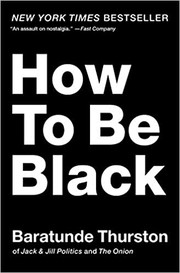
Others: PositiveHave you ever been called "too black" or "not black enough"? Have you ever befriended or worked with a black person? If you answered yes to any of these questions, this book is for you. Raised by a pro-black, Pan-Afrikan single mother during the crack years of 1980s Washington, DC, and educated at Sidwell Friends School and Harvard University, Baratunde Thurston has over thirty years' experience being black. Now, through stories of his politically inspired Nigerian name, the heroics of his hippie mother, the murder of his drug-abusing father, and other revelatory black details, he shares with readers of all colors his wisdom and expertise in how to be black. Beyond memoir, this guidebook offers practical advice on everything from "How to Be The Black Friend" to "How to Be The (Next) Black President" to "How to Celebrate Black History Month." To provide additional perspective, Baratunde assembled an award-winning Black Panel--three black women, three black men, and one white man (Christian Lander of Stuff White People Like)--and asked them such revealing questions as: "When Did You First Realize You Were Black?" ""How Black Are You?" "Can You Swim?" The result is a humorous, intelligent, and audacious guide that challenges and satirizes the so-called experts, purists, and racists who purport to speak for all black people. With honest storytelling and biting wit, Baratunde plots a path not just to blackness, but one open to anyone interested in simply "how to be."
What made the match, strongest first
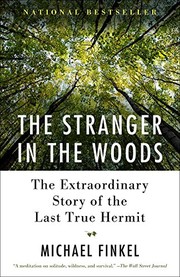
Michael Finkel
2017 · 253 pages · 1 review
Others: Positive"For readers of Jon Krakauer and The Lost City of Z, a remarkable tale of survival and solitude--the true story of a man who lived alone in a tent in the Maine woods, never talking to another person and surviving by stealing supplies from nearby cabins for twenty-seven years. In 1986, twenty-year-old Christopher Knight left his home in Massachusetts, drove to Maine, and disappeared into the woods. He would not have a conversation with another human being until nearly three decades later when he was arrested for stealing food. Living in a tent even in winter, he had survived by his wits and courage, developing ingenious ways to store food and water, to avoid freezing to death. He broke into nearby cottages for food, clothes, reading material, and other provisions, taking only what he needed, but terrifying a community never able to solve the mysterious burglaries. Based on extensive interviews with Knight himself, this is a vividly detailed account of the why and how of his secluded life--as well as the challenges he has faced returning to the world. A riveting story of survival that asks fundamental questions about solitude, community, and what makes a good life, and a deeply moving portrait of a man who was determined to live his own way, and succeeded"--Publisher description.
What made the match, strongest first
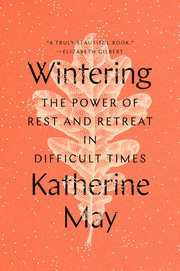
Katherine May
2020 · 288 pages · 2 reviews
Others: Negative"An intimate, revelatory book exploring the ways we can care for and repair ourselves when life knocks us down. Sometimes you slip through the cracks: unforeseen circumstances like an abrupt illness, the death of a loved one, a break up, or a job loss can derail a life. These periods of dislocation can be lonely and unexpected. For May, her husband fell ill, her son stopped attending school, and her own medical issues led her to leave a demanding job. Wintering explores how she not only endured this painful time, but embraced the singular opportunities it offered. A moving personal narrative shot through with lessons from literature, mythology, and the natural world, May's story offers instruction on the transformative power of rest and retreat. Illumination emerges from many sources: solstice celebrations and dormice hibernation, C.S. Lewis and Sylvia Plath, swimming in icy waters and sailing Arctic seas. Ultimately Wintering invites us to change how we relate to our own fallow times. May models an active acceptance of sadness and finds nourishment in deep retreat, joy in the hushed beauty of winter, and encouragement in understanding life as cyclical, not linear. A secular mystic, May forms a guiding philosophy for transforming the hardships that arise before the ushering in of a new season"--
What made the match, strongest first
Caitlin Moran
2011 · 313 pages · 1 review
Others: NegativeThough they have the vote and the Pill and haven't been burned as witches since 1727, life isn't exactly a stroll down the catwalk for modern women. They are beset by uncertainties and questions: Why are they supposed to get Brazilians? Why do bras hurt? Why the incessant talk about babies? And do men secretly hate them? Caitlin Moran interweaves provocative observations on women's lives with laugh-out-loud funny scenes from her own, from the riot of adolescence to her development as a writer, wife, and mother. With rapier wit, Moran slices right to the truth—whether it's about the workplace, strip clubs, love, fat, abortion, popular entertainment, or children—to jump-start a new conversation about feminism. With humor, insight, and verve, How To Be a Woman lays bare the reasons female rights and empowerment are essential issues not only for women today but also for society itself.
What made the match, strongest first
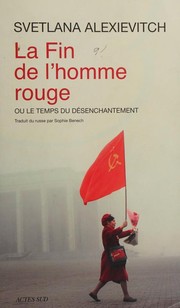
Svetlana Alexievich
2013 · 508 pages · 1 review
Others: Positive"From the 2015 winner of the Nobel Prize in Literature, Svetlana Alexievich, comes the first English translation of her latest work, an oral history of the disintegration of the Soviet Union and the emergence of a new Russia. Bringing together dozens of voices in her distinctive documentary style, Secondhand Time is a monument to the collapse of the USSR, charting the decline of Soviet culture and speculating on what will rise from the ashes of communism. As in all her books, Alexievich gives voice to women and men whose stories are lost in the official narratives of nation-states, creating a powerful alternative history from the personal and private stories of individuals"-- "Bringing together dozens of voices in her distinctive style of oral history, Secondhand Time is a monument to the collapse of the USSR, charting the decline of Soviet culture and speculating on what will rise from the ashes of Communism. As in all her books, Alexievich gives voice to women and men whose stories are lost in the official narratives of nation-states, creating a powerful alternative history from the personal and private stories of individuals. When the Swedish Academy awarded Svetlana Alexievich the Nobel Prize in Literature, they praised her 'polyphonic writings, a monument to suffering and courage in our time,' and cited her for inventing 'a new kind of literary genre.' Sara Danius, the permanent secretary of the Swedish Academy, added that her work comprises 'a history of emotions--a history of the soul'"--
What made the match, strongest first
Not a fanI tried reading this Eat Like a Fish. I really did not enjoy it, so I don't need him.