
 Liked
I didn't like Dem as much as I liked A Different Drummer. But, yeah, Dem has some interesting concepts going on there.
 Creators: Liked
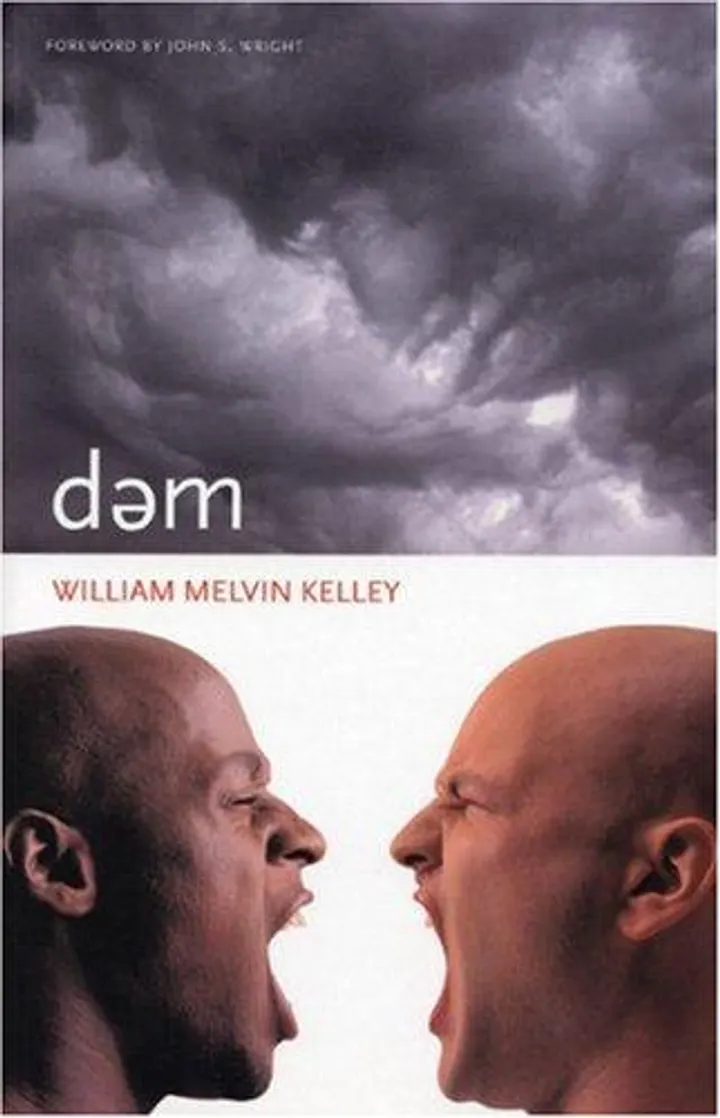
"Originally published in 1967, dem is a classic of the Black Arts Movement. This surrealistic satire lays bare the convoluted and symbiotic relationship between whites and blacks. Coffee House Press is pleased to bring back into print this widely unavailable work. Upper-middle-class Manhattanite Mitchell Pierce and his wife Tamara enact the twists and turns of human relationships in this startling fable about the intersections of race, class, sex, love, and marriage. Kelley questions the nature and validity of subjective realities as he examines the constraints and consequences of prejudice. Mitchell is convinced he has it made. With advancement at work, an attractive wife, and a comfortable apartment, he has achieved the 1960s version of the white man’s American dream. Then, slowly but surely, that dream becomes a nightmare, and Mitchell can’t seem to wake up. Did he really find his boss’s wife and children dead in an upstairs bedroom of their suburban home? Did his wife really become pregnant after a brief fling with their black maid’s boyfriend? Notable as a satiric portrayal of white characters from an African American perspective, this milestone achievement tugs at our ability to suspend disbelief and forces us to reexamine stereotypes from the past and current images in America’s racial divide."--Amazon.com.
LikedI didn't like Dem as much as I liked A Different Drummer. But, yeah, Dem has some interesting concepts going on there.
What made the match, strongest first
 Mixed reactions from creators6 reviews